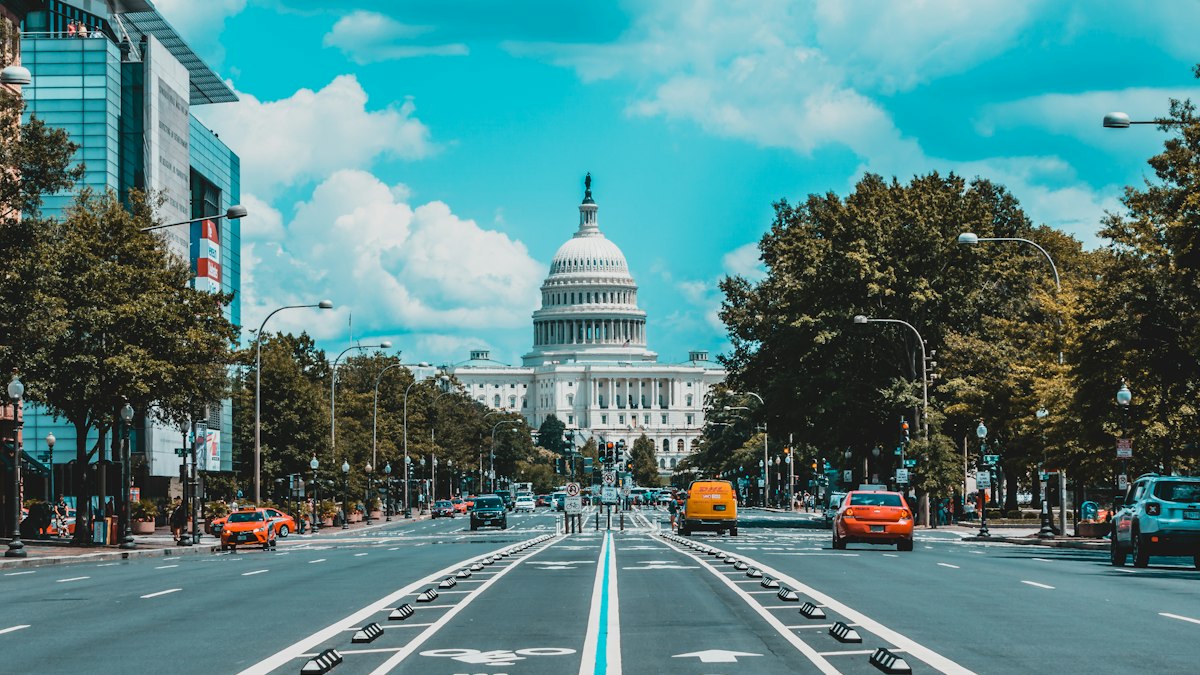
The 2026 G20 Leaders Summit in Washington, D.C. concluded with substantive agreements addressing structural instability in the international financial architecture. Hosting the leaders of the world’s twenty largest economies, the summit prioritized practical economic remedies over ideological posturing, resulting in five landmark accords that will shape international commerce through the end of the decade.
Against a backdrop of fluctuating interest rates and rapid digital transformation, heads of state agreed to overhaul sovereign debt restructuring frameworks and establish multilateral standards for green energy supply chains.
1. The Sovereign Debt Relief Accelerator
A persistent impediment to global growth has been the protracted negotiation timelines required to restructure debt in low- and middle-income nations. G20 members ratified the Sovereign Debt Relief Accelerator (SDRA), which binds commercial creditors, bilateral sovereign lenders, and multilateral banks to a standardized 180-day restructuring window.
Under the agreement, sovereign bond contracts issued in major financial capitals must incorporate enhanced climate-resilient debt clauses. When a sovereign debtor experiences a verified natural catastrophe, principal payments are temporarily paused without triggering technical default declarations, reflecting priorities raised at the UN General Assembly High-Level Debate.
2. The $280 Billion Global Clean Energy Corridor
G20 leaders pledged $280 billion toward cross-border energy infrastructure, linking high-yield solar and wind installations in Africa, Latin America, and South Asia with regional industrial zones. The initiative combines direct capital guarantees from sovereign development funds with private infrastructure equity.
Key infrastructure milestones approved in the declaration include:
- High-voltage direct current (HVDC) subsea cables connecting Mediterranean renewable grids.
- Trans-Sahelian solar transmission networks supporting local manufacturing ecosystems.
- Inter-American clean hydrogen distribution hubs built near major maritime ports.
This initiative complements mineral security agreements signed at the G7 Kananaskis Summit, safeguarding the raw materials required for clean grids.
3. Standardizing Cross-Border Digital Payments
To reduce friction in international commerce, G20 central banks endorsed unified messaging and settlement standards for cross-border digital payments. By harmonizing API interfaces across national instant payment rails, the accord aims to cut average cross-border transaction fees from 6% to under 1.5%.
The roadmap builds on successful regional implementations, such as the cross-border instant payment systems linking merchants across Asia, creating an integrated bridge between emerging fintech networks and established clearing houses.
4. Common Standards for AI Model Risk Governance
Reflecting shared concerns over automated systemic risks in financial markets, the G20 established an International Task Force on Algorithmic Stability. The group will monitor algorithmic high-frequency trading networks, sovereign wealth automated allocations, and autonomous cybersecurity threats across global exchanges.
Participating nations agreed to conduct synchronized stress tests on financial AI systems to ensure algorithmic trading models cannot trigger cascading market liquidations during liquidity shocks.
5. Critical Food Security and Fertilizer Trade Compact
Addressing fertilizer market volatility and agricultural yields, the summit established an open-trade compact prohibiting export bans on essential crop nutrients during global supply crunches. Member states agreed to create decentralized regional fertilizer reserves in sub-Saharan Africa and Central America to mitigate seasonal crop failures.
Will the newly established 180-day sovereign debt timeline successfully protect emerging economies from predatory debt-holding practices? Let us know your thoughts in the comments.