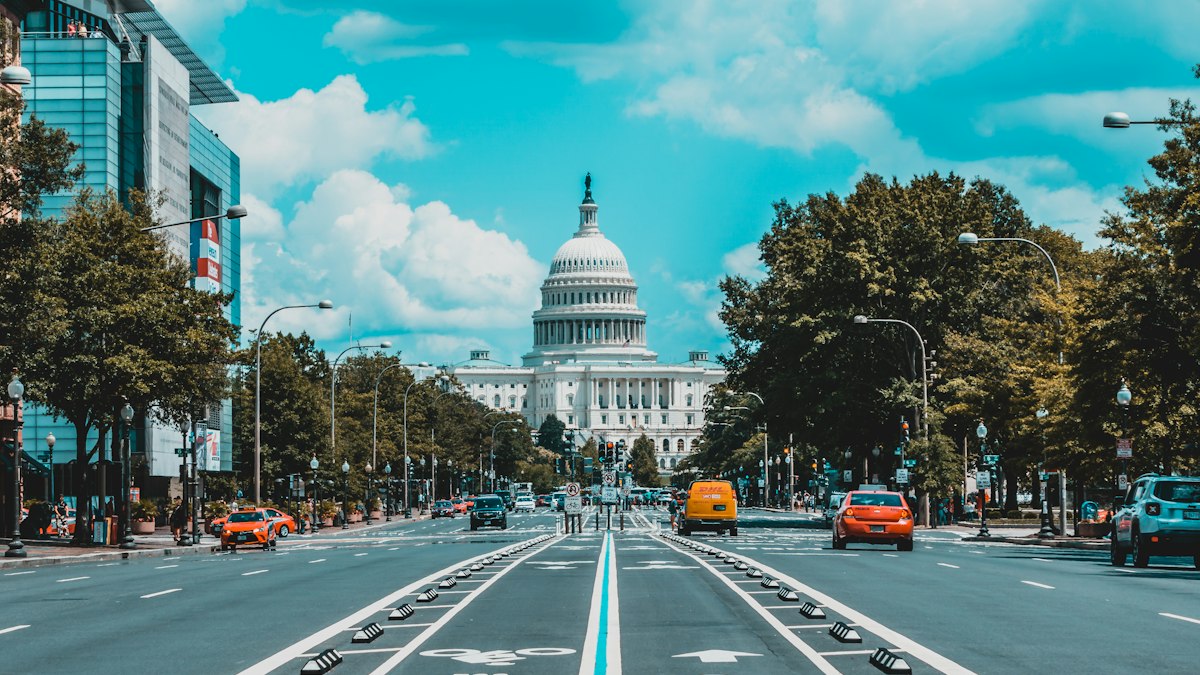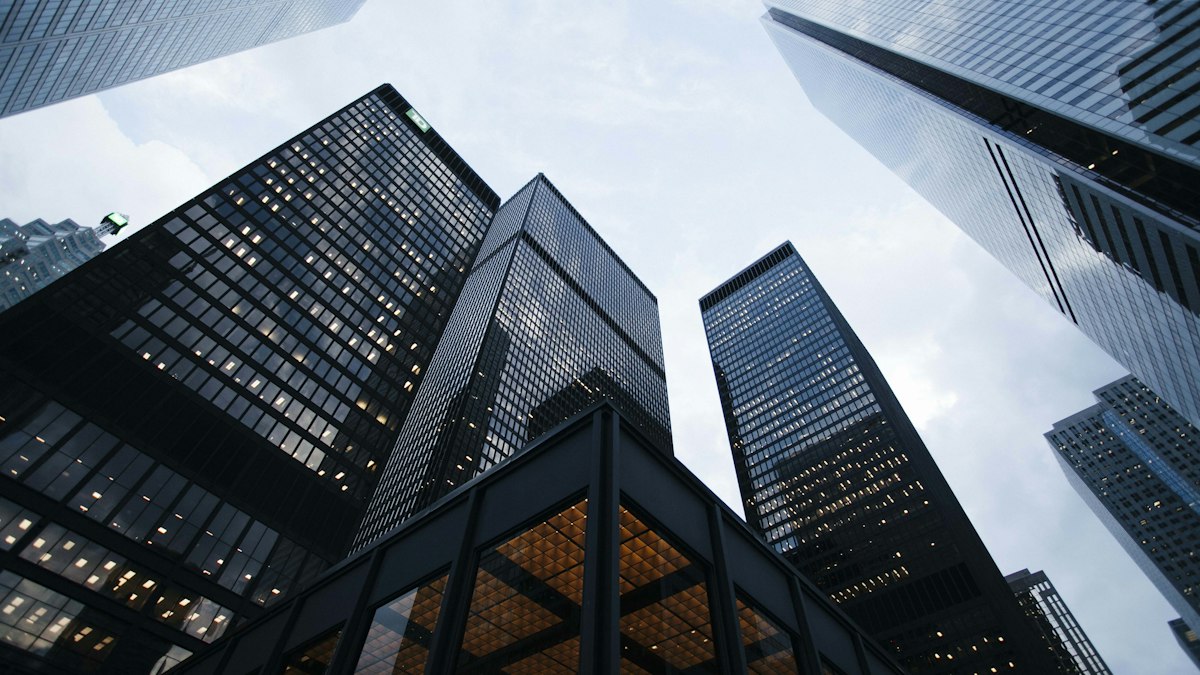
The post-pandemic commercial real estate crisis has transitioned into a permanent structural restructuring of the built environment. Following years of corporate experimentation, employee pushback against rigid five-day office mandates, and plummeting downtown office tower valuations, the corporate sector has settled into an established equilibrium: the structured 3/2 hybrid model (three days in-office, two days remote).
This workplace stabilization has triggered an unexpected geographic realignment of corporate capital: while older downtown high-rises continue to face debt restructurings, high-amenity suburban corporate satellite hubs are experiencing an economic renaissance.
1. The “Hub-and-Spoke” Corporate Campus Model
Rather than maintaining a massive 50-story corporate headquarters in a congested central business district (CBD), Fortune 500 corporations have adopted decentralized “hub-and-spoke” portfolio designs. Companies maintain a downsized, high-prestige executive office downtown for board meetings and client receptions, while opening multiple fully amenitized satellite workspaces in affluent suburban transit rings.
This model slashes commute times for senior professionals and young families who migrated to suburban enclaves during the housing boom, directly connecting with demographic shifts explored in our investigation into the Great Wealth Transfer.
2. Amenity-Rich Suburban Town Centers Win Tenants
The suburban office properties enjoying record leasing rates are not the isolated, asphalt-surrounded office parks of the 1980s. Instead, developers have created walkable, mixed-use town centers integrating Class-A collaborative workspace with:
- Pedestrian dining, retail boutiques, and artisanal coffee roasters.
- On-site childcare, fitness centers, and green parkland trails.
- Dedicated high-speed electric vehicle charging corridors powered by clean energy.
Employees actively embrace commuting to suburban hubs where parking is effortless, public schools are nearby, and the workspace feels integrated into community life.
3. The Great Downtown Residential Conversion Wave
In central metropolitan cores, the ongoing decline of Class B and C office values has facilitated municipal zoning overhauls. Cities from Chicago and Philadelphia to London and Frankfurt have enacted expedited permitting and tax abatements to transform functionally obsolete commercial towers into residential apartments.
Architectural firms utilize interior light wells and modern building envelopes to convert deep-floor-plate office structures into housing units, revitalizing urban neighborhoods with diverse residential populations.
Key financial and structural realities shaping the 2026 market include:
- Regional banks have largely absorbed commercial loan loss provisions, stabilizing balance sheets.
- Downtown office vacancy rates have stabilized at a new structural plateau of 18%.
- Tenant improvements focus heavily on collaborative spaces, video production suites, and acoustic privacy booths.
These workplace realities parallel lifestyle evolutions documented in our feature on cities adopting the permanent 4-day workweek.
4. The Future of Urban Transit and Municipal Tax Bases
As daily commuter train ridership stabilizes at 70% of historical baselines, municipal transit authorities are reconfiguring train schedules from peak-rush-hour surges to balanced all-day service. Suburban municipalities are experiencing expanding property tax revenues, enabling infrastructure investments in schools, parks, and regional trail networks.
Has your employer adopted the hub-and-spoke office model, and has it improved your daily work-life balance? Share your experience in the comments below.