Reports proclaiming the death of movie theaters at the hands of home streaming algorithms have been thoroughly debunked by the historic 2026 summer box office season. Generating over $4.5 billion in global ticket receipts, movie theaters experienced a cultural and commercial renaissance fueled by original cinematic spectacles, premium large-format presentation, and audience hunger for communal cultural events.
Audiences demonstrated that while they will happily stream routine television series from the couch, they will eagerly pay premium ticket prices to experience visceral, visually ambitious cinema in communal auditoriums.
1. The Premium Large Format (PLF) Dominance
The defining business trend of the summer was the overwhelming audience preference for Premium Large Format (PLF) auditoriums. Screens equipped with IMAX 70mm analog film projectors, dual-laser 4K systems, and immersive spatial audio accounted for 42% of total domestic box office revenues despite representing less than 15% of total theater screens.
Audiences planned outings weeks in advance, booking center-row seats at premium prices to witness film prints projected on eight-story screens, reflecting the same cultural shift toward intentional leisure seen in the slow travel and rail renaissance across Europe.
2. Physical Practical Effects and LED Volumes
A major creative backlash against the flat, disembodied aesthetic of CGI-heavy green-screen productions led directors to champion tactile filmmaking. Blockbusters featured real vehicular stunts, physical location shooting in extreme environments, and virtual production using high-resolution LED volume walls.
Because LED volumes cast authentic ambient light and accurate reflections directly onto physical actors and camera lenses, digital backgrounds seamlessly blend with physical props without synthetic halos.
Key visual milestones celebrated by cinematographers this season include:
- First blockbuster feature shot entirely with custom lightweight 65mm IMAX digital cameras in remote desert locations.
- Pioneering use of real-time photorealistic neural rendering for fluid and atmospheric smoke simulations.
- Rejection of aggressive digital motion smoothing in favor of authentic 24-frames-per-second photochemical motion cadence.
These visual advancements mirror real-time graphics milestones documented in our report on next-generation open-world gaming engines.
3. Cinema as Social Event Culture
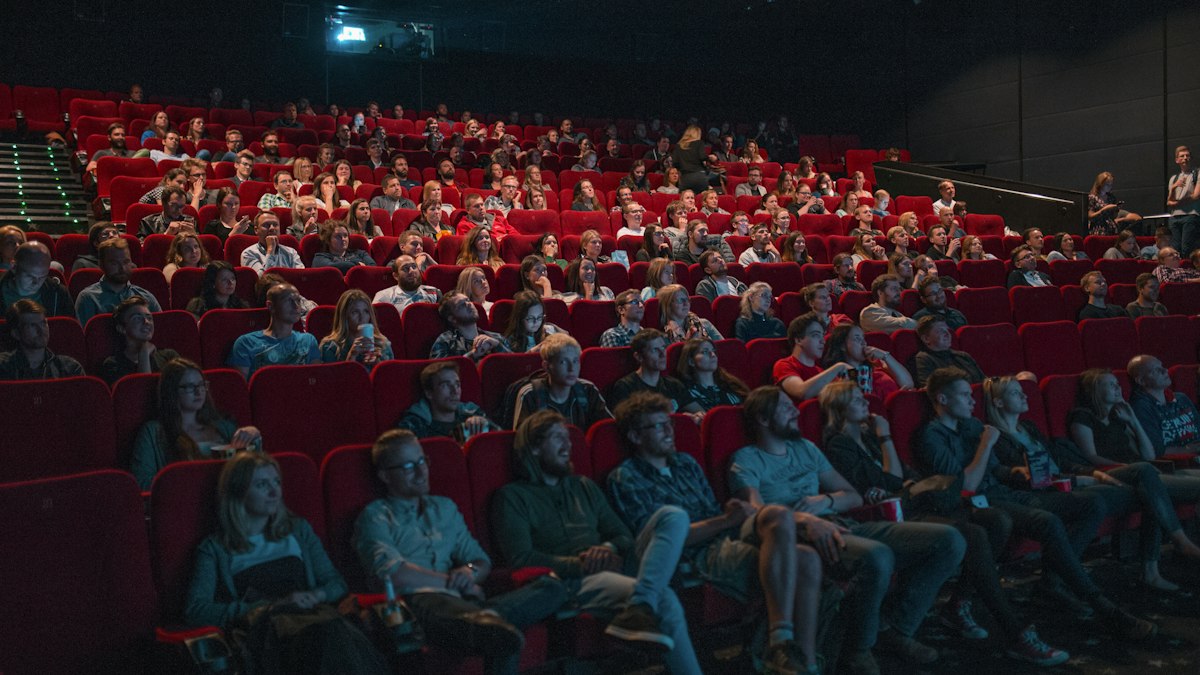
Movie theaters evolved beyond passive projection houses into community cultural hubs. Exhibitors renovated auditoriums with heated luxury reclining loungers, reserved seat dining, and artisanal cocktail lounges, turning a night at the cinema into an evening social ritual.
Combined with social media enthusiasm and grassroots dressing-up traditions for event films, cinema recaptured the cultural zeitgeist, providing an antidote to isolated digital screen time explored in our feature on minimalist digital wellness trends.
What film experience this year convinced you that movie theaters remain completely irreplaceable by home streaming? Let us know in the comments below.