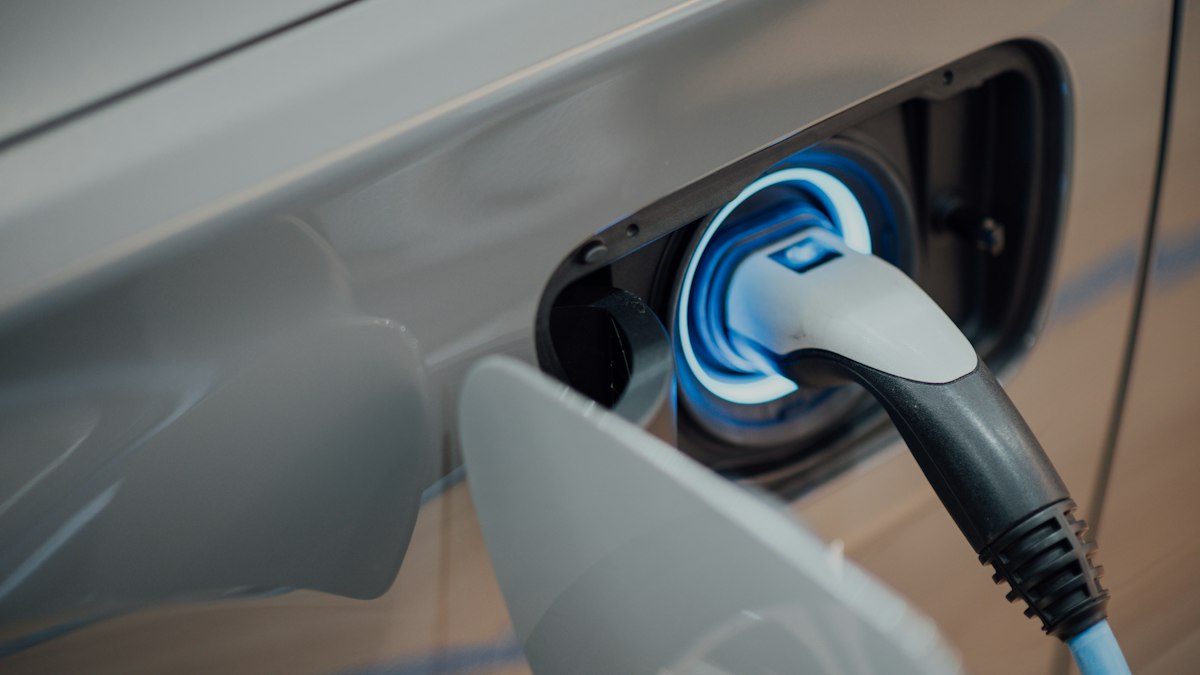
The global automotive transition achieved its most crucial economic milestone as average electric vehicle (EV) battery pack prices fell below the long-anticipated threshold of $75 per kilowatt-hour ($/kWh). At this pricing level, standard electric passenger sedans and compact crossovers are now cheaper to manufacture than equivalent internal combustion engine (ICE) vehicles, eliminating the “green premium” without relying on tax credits or government purchase subsidies.
This pricing breakthrough, driven by chemistry innovations and simplified structural vehicle integration, has initiated the mass-market phase of automotive electrification across North America, Europe, and Asia.
1. Advanced Lithium Iron Phosphate (LFP) Dominance
The primary catalyst for battery cost deflation has been the rapid maturation of lithium iron phosphate (LFP) and lithium manganese iron phosphate (LMFP) chemistries. By eliminating expensive, supply-constrained metals like nickel and cobalt, battery manufacturers slashed raw material expenditures by over 40%.
Modern LMFP cells deliver energy densities approaching 240 watt-hours per kilogram, rivaling previous nickel-rich formulations while offering superior thermal stability, lower fire risk, and cycle lives exceeding 3,000 full charge-discharge cycles.
This material self-sufficiency aligns directly with diplomatic mineral supply accords signed at the G7 Kananaskis Summit.
2. Cell-to-Chassis Structural Integration
Traditional electric vehicle manufacturing required assembling individual battery cells into modules, modules into battery packs, and bolting the heavy pack onto a vehicle frame. The 2026 manufacturing revolution eliminates the module tier entirely through “Cell-to-Chassis” (CTC) architecture.
By utilizing the battery pack enclosure as the structural floor of the vehicle:
- Structural vehicle rigidity increases by 35%, improving crash safety ratings.
- Total vehicle weight decreases by up to 15%, extending highway driving range.
- Part counts and assembly robotics complexity are reduced by more than half, drastically cutting assembly factory overhead.
3. High-Speed 800-Volt Charging as Standard
Mass adoption required solving consumer “charging anxiety.” Mainstream $25,000 electric vehicles now feature 800-volt high-voltage architectures previously reserved for luxury sports sedans.
Equipped with silicon-carbide inverters and advanced electrolyte additives, modern EVs can replenish 200 miles of driving range in ten minutes at standardized 350kW DC fast chargers, making road trips as convenient as conventional gasoline refueling.
4. Supply Chain Resilience and Nearshoring
The battery cost deflation was bolstered by the localization of cathode and anode manufacturing facilities across North America and Europe, supported by nearshoring hubs explored in our analysis of manufacturing corridors in Mexico and Vietnam.
Local refining of battery-grade lithium and synthetic graphite has minimized shipping transit times and insulated automakers from maritime shipping tariff spikes.
5. The Second Life and Recycling Economy
As the first generation of mass-market EV batteries reaches end-of-life status, certified hydrometallurgical recycling facilities are operating at commercial scale, recovering over 95% of constituent lithium and copper. Reclaimed battery materials are reintroduced directly into gigafactories, creating a closed-loop economic flywheel that insulates automakers from commodity price shocks.
Now that purchase price parity has been achieved, what infrastructure improvements are most urgently needed to support millions of new EV owners? Share your perspective in the comments below.