The geopolitical disruptions, maritime shipping shocks, and tariff disputes of recent years have permanently dismantled the “just-in-time” hyper-centralized globalization model that dominated the past four decades. In 2026, global multinational corporations have operationalized comprehensive “China Plus One” and “friendshoring” strategies, funneling hundreds of billions of dollars in industrial capital into advanced manufacturing hubs in Mexico and Vietnam.
These two nations have emerged as the primary beneficiaries of the modern supply chain reorganization, transforming regional economies through advanced robotics, logistics infrastructure, and skilled industrial labor.
1. Mexico’s Industrial Nearshoring Surge
Spurred by the United States-Mexico-Canada Agreement (USMCA) rules of origin and the desire to insulate supply chains from transatlantic shipping volatility, automotive, aerospace, and medical device manufacturers have established massive production corridors across northern and central Mexico.
Cities like Monterrey, Saltillo, and Querétaro have witnessed industrial park vacancy rates plunge to near zero. Manufacturing freight crosses overland border checkpoints in Laredo and El Paso via electrified rail corridors, reaching midwestern U.S. assembly facilities within 48 hours compared to six-week maritime journeys from East Asia.
This industrial localization has driven rapid adoption of affordable mass-market EV manufacturing architectures.
2. Vietnam’s Electronics and Semiconductor Ascendance
In Southeast Asia, Vietnam has cemented its status as the premier electronics assembly hub for global consumer electronics, network hardware, and renewable energy components. Bilateral trade pacts with the European Union, Japan, and the United States have attracted advanced semiconductor testing and packaging facilities to high-tech parks in Bac Ninh, Hai Phong, and Ho Chi Minh City.
Vietnamese industrial planners have upgraded deep-water container ports and integrated renewable solar grids into industrial zones, ensuring that exported goods satisfy international carbon footprint benchmarks.
Key drivers behind modern corporate supply chain realignments include:
- Eliminating single-point-of-failure vulnerabilities in critical component sourcing.
- Compliance with strict environmental and human rights supply chain traceability mandates like the 2026 Global Plastics Treaty.
- Utilizing advanced robotic automation to offset regional labor wage differentials.
3. The Role of Advanced Industrial Robotics
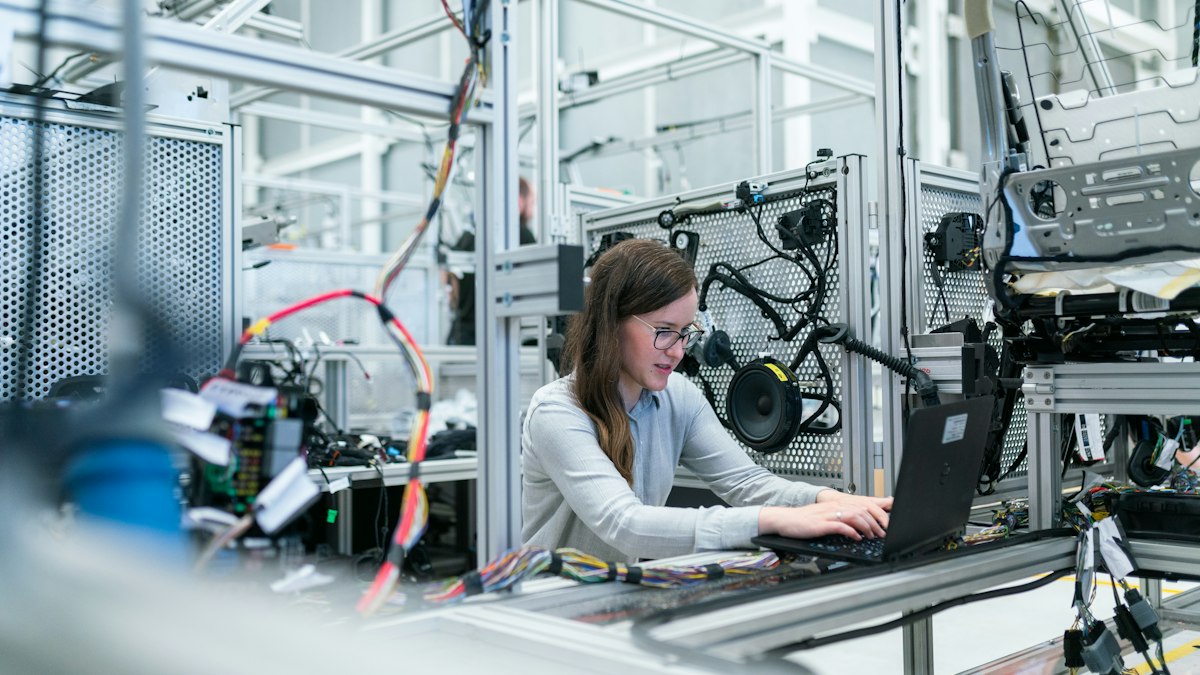
Unlike the low-wage, manual sweatshops of earlier manufacturing eras, the 2026 facilities in Mexico and Vietnam are heavily automated. Automotive lines utilize collaborative robotic arms for precision welding, while cleanrooms deploy automated guided vehicles (AGVs) to transport silicon wafers.
This reliance on advanced industrial robotics means that factory competitiveness is dictated by electrical grid reliability, automated software infrastructure, and technical vocational training rather than purely low labor rates.
4. Infrastructure Bottlenecks and Future Challenges
Despite rapid capital inflows, both Mexico and Vietnam face structural hurdles. In northern Mexico, water scarcity and electrical transmission limits have forced industrial parks to invest heavily in private wastewater recycling and solar microgrids. In Vietnam, regional logistics networks require sustained capital investment to prevent highway and port congestion.
Will the rise of regional manufacturing corridors permanently decentralize global trade, or will geopolitical alignments create competing trade blocs? Join the conversation in our comments section below.