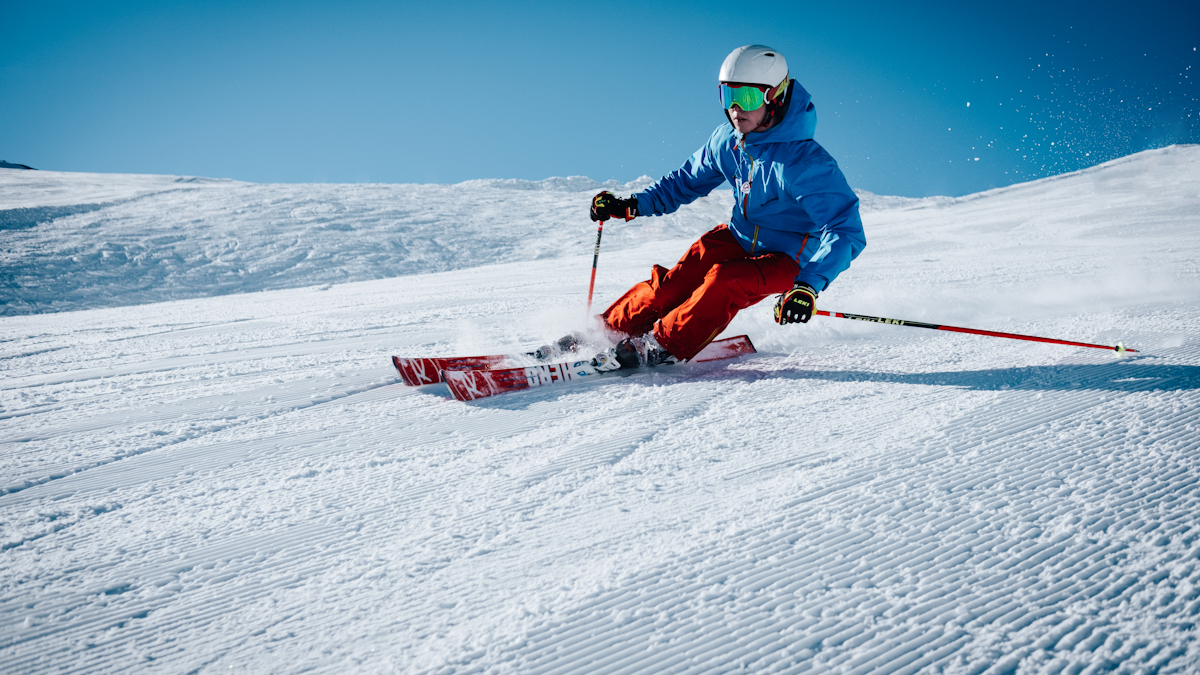
The XXV Olympic Winter Games Milano Cortina 2026 concluded with a spectacular closing ceremony inside the historic Roman Arena di Verona, drawing the curtain on sixteen days of breathtaking winter athletic excellence. Set against the majestic backdrop of the Italian Dolomites and the metropolitan elegance of Milan, the Games delivered an unforgettable festival of winter sports that demonstrated how global mega-events can balance athletic grandeur with environmental stewardship.
By distributing competition clusters across Lombardy, Veneto, and the autonomous provinces of Trentino and Alto Adige, organizers fulfilled their promise to stage the most sustainable Winter Olympics in modern history.
1. The Model of Environmental Venue Reuse
In sharp contrast to past Games marred by the construction of costly, underutilized “white elephant” venues, Milano Cortina relied on existing or temporary infrastructure for 92% of competition sites.
Figure skating and short-track events electrified packed crowds inside the renovated Mediolanum Forum in Milan; curling returned to Cortina’s historic 1956 Olympic Ice Stadium; and Nordic skiing unfolded across the world-renowned trails of the Val di Fiemme, which regularly hosts World Cup stages.
This infrastructure efficiency parallels sustainable urban transport models highlighted in our feature on the resurgence of European night trains and slow travel.
2. Six Defining Athletic Triumphs of the Games
The athletic competition produced six transcendent performances that captivated millions of global viewers:
- The Men’s Downhill on the Stelvio: Conquering one of the most perilous, icy downhill courses in alpine skiing history, the gold medalist clocked speeds exceeding 142 km/h across the Bormio ice sheet.
- Historic Quadruple Axels in Figure Skating: The men’s free skate witnessed the clean landing of fully rotated quadruple axels, redefining the biomechanical limits of figure skating artistry.
- Biathlon Dominance in Antholz: In the high-altitude shooting range of Anterselva, a thrilling 20-kilometer individual biathlon was decided on the final standing target in howling alpine winds.
- Speed Skating Record Blitz in Baselga di Piné: Ice conditions engineered with high-precision geothermal refrigeration yielded three world records across the 1,500m and 5,000m distances.
- Snowboard Cross Photo-Finish: A four-rider final over Cortina’s massive kicker jumps was decided by four-hundredths of a second across the finish line.
- Historic Women’s Ice Hockey Final: An epic overtime showdown between traditional North American powerhouses that showcased the physical speed and skill of modern women’s hockey.
These athletic milestones reflect the same dedication to elite execution seen in international soccer championship tournaments.
3. Climate Adaptation in Winter Sports
With changing winter precipitation patterns impacting mountain ranges globally, organizers showcased advanced snow-preservation techniques. Subterranean snow-harvesting reservoirs preserved winter snow under insulating sawdust blankets from previous seasons, while high-efficiency snowmaking systems powered by 100% alpine hydroelectricity guaranteed consistent course surfaces.
Athletes competed safely across all alpine disciplines, proving that targeted climate planning can preserve the integrity of winter sports traditions.
Which athletic performance or golden moment from the Milano Cortina Winter Games inspired you the most? Share your memories in our comments section below.