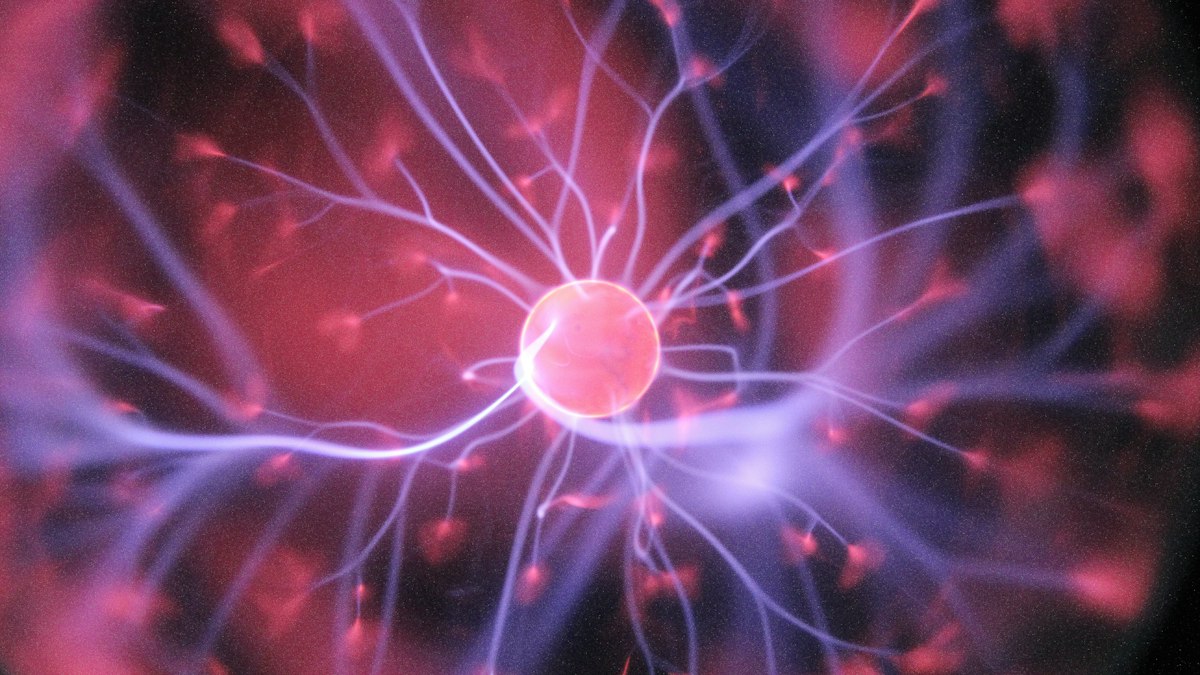
For nearly a century, nuclear fusion—the physical process that powers the sun and distant stars—carried the ironic scientific reputation of being “thirty years away and always will be.” In 2026, that longstanding skepticism was shattered across experimental physics laboratories as private fusion ventures and public research consortia achieved sustained, stable high-temperature plasma confinement with net energy gain.
By marrying advanced magnetohydrodynamic computational simulations with revolutionary high-temperature superconducting (HTS) magnet coils, fusion research has pivoted from pure physics exploration into commercial power plant engineering.
1. The High-Temperature Superconducting (HTS) Breakthrough
The fundamental limitation of twentieth-century tokamaks was their reliance on low-temperature copper or niobium-tin magnets. These bulky electromagnets required liquid helium cooling to near-absolute zero and could only sustain magnetic field strengths around 5 to 8 Tesla, necessitating gargantuan vacuum vessels like the multinational ITER project in France.
Modern compact tokamaks utilize rare-earth barium copper oxide (REBCO) superconducting tapes. Operating at liquid nitrogen temperatures (77 Kelvin), HTS magnets sustain magnetic field strengths exceeding 20 Tesla.
Because plasma confinement scales with the fourth power of magnetic field strength, a 20-Tesla magnet allows an experimental tokamak to achieve identical fusion performance within a vacuum vessel one-fortieth the physical volume of earlier designs.
This material science triumph mirrors developments in critical mineral supply chains negotiated at the G7 Summit.
2. Sustaining 100-Million-Degree Burning Plasmas
While inertial confinement laser facilities previously achieved instantaneous scientific energy breakeven (Q > 1) in fractions of a nanosecond, commercial electricity requires continuous operation. In 2026, compact spherical tokamaks maintained stable deuterium-tritium plasma temperatures exceeding 100 million degrees Celsius for continuous durations surpassing 1,000 seconds.
Real-time neural network controllers adjusting magnetic steering coils thousands of times per second successfully suppressed edge-localized plasma disruptions that historically extinguished fusion reactions.
3. Resolving the Tritium Fuel Self-Sufficiency Challenge
A critical technical obstacle to commercial fusion has been the scarcity of tritium, a radioactive isotope of hydrogen with a 12.3-year half-life. Commercial reactors cannot rely on external tritium supplies; they must breed their own fuel.
Test reactors demonstrated functional lithium-ceramic breeding blankets surrounding the plasma core. When high-energy 14-MeV fusion neutrons strike lithium atoms within the blanket, they trigger nuclear reactions that synthesize new tritium fuel, achieving a tritium breeding ratio (TBR) of 1.15—proving complete fuel cycle self-sufficiency.
Key milestones validating commercial pilot designs include:
- Demonstration of robust liquid-metal divertors capable of dissipating extreme heat exhaust flux without structural erosion.
- Integration of high-efficiency direct closed-loop helium Brayton turbine power cycles.
- Regulatory licensing frameworks established under lightweight radiological rules rather than heavy fission standards.
These baseload clean energy breakthroughs complement decentralized nuclear small modular reactors powering AI infrastructure.
4. The Path to Commercial Pilot Plants by 2030
With physics validation secured, private fusion ventures across the United States, United Kingdom, and Japan have broken ground on grid-connected commercial pilot plants. These 100-to-200 megawatt demonstration units aim to deliver continuous electricity to municipal grids before the decade concludes.
Could commercial nuclear fusion permanently solve global carbon emissions and energy poverty before mid-century? Share your perspectives in the comments below.