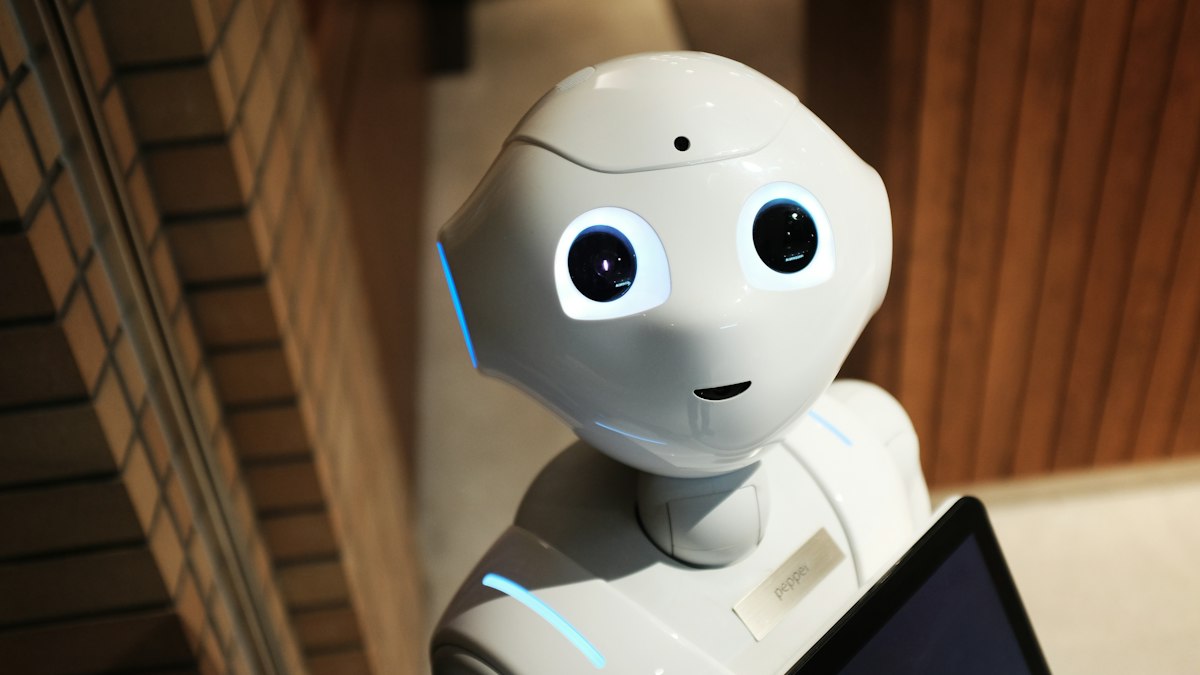
Artificial intelligence has crossed a profound threshold today as OpenAI officially unveils GPT-6, an advanced model built explicitly for real-time autonomous reasoning in scientific laboratories. Unlike previous iterations that functioned primarily as conversational assistants, this new system acts as an active, independent research partner capable of designing, executing, and adjusting complex multi-day experiments on the fly.
A New Paradigm for Laboratory Automation
The announcement, broadcast globally from San Francisco, highlights a dramatic shift in how artificial intelligence integrates into hard sciences like biology, chemistry, and physics. GPT-6 leverages a newly developed architecture that bridges natural language processing with physical lab automation hardware, allowing researchers to direct experiments through high-level conceptual goals rather than tedious, manual programming.
Major research institutions that participated in the early testing phase have already reported staggering efficiency gains. The system’s ability to analyze unexpected chemical reactions in real time and automatically alter parameters has proven invaluable, echoing the rapid technological scaling seen earlier this year during the TSMC 2nm mass production rollout for next-generation computing hardware.
Accelerating Breakthroughs in Drug Discovery
Pharmaceutical development has traditionally been plagued by lengthy trial-and-error cycles and high failure rates. With GPT-6, molecular biologists can now task the AI with synthesizing novel compounds while continuously monitoring cellular responses through connected robotic microscopes and spectrometers.
If an anomaly occurs mid-experiment, the model does not wait for human intervention; it recalculates molecular binding affinities, adjusts thermal dynamics, and proceeds safely. This autonomous loop has compressed timelines that typically took months into mere weeks, paving the way for faster responses to emerging global health challenges discussed frequently at forums like the UN General Assembly debates.
Rigorous Safety and Ethical Guardrails
Given the immense power of an autonomous reasoning model capable of directing physical laboratory equipment, OpenAI has implemented unprecedented safety protocols. GPT-6 operates within a tightly sandboxed environment featuring multi-layered hardware interlocks that prevent the synthesis of restricted biological agents or hazardous materials.
Furthermore, a dedicated oversight module continuously logs every decision made by the AI, ensuring complete transparency and reproducibility for peer review. Independent safety auditors have spent the last six months stress-testing these constraints, certifying that the model prioritizes human oversight and fails safe under unexpected environmental conditions.
What This Means for the Future of Science
As GPT-6 rolls out to certified academic institutions and enterprise pharmaceutical labs over the coming months, the scientific community stands on the brink of an unprecedented era of discovery. While human creativity and intuition remain irreplaceable, pairing them with an autonomous entity that never sleeps could solve some of humanity’s most persistent challenges.
How will your field of work adapt as autonomous AI systems transition from digital assistants to active, independent collaborators in high-stakes research?