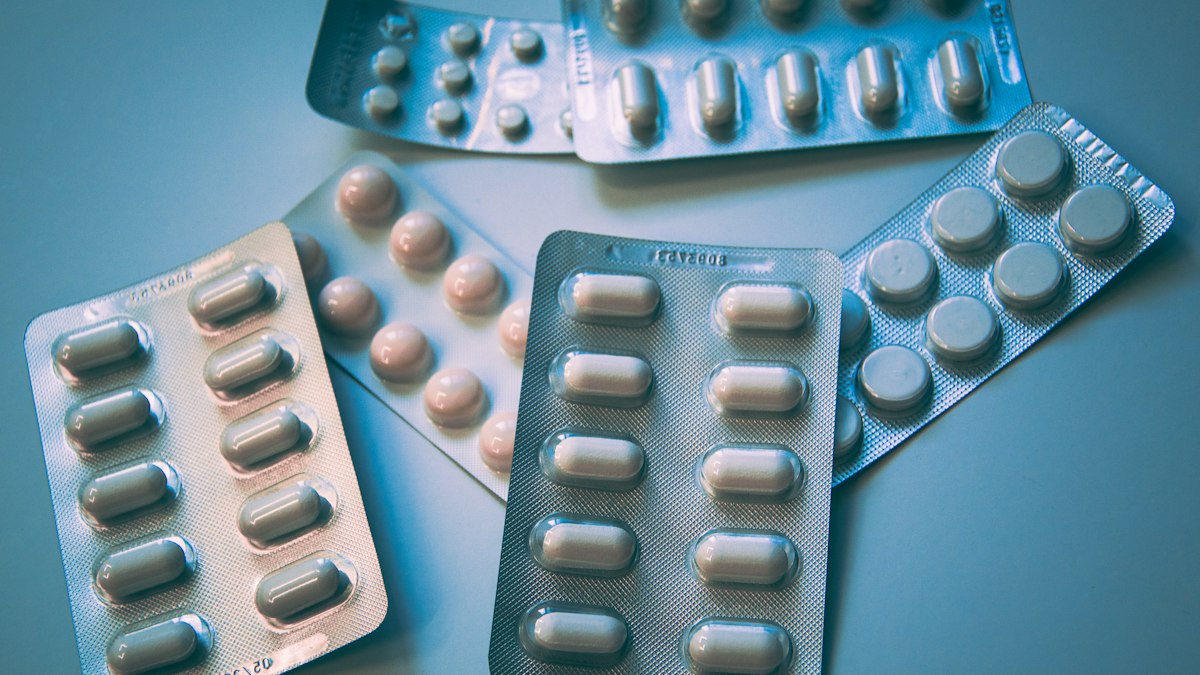
The pharmaceutical landscape for metabolic healthcare has achieved its most eagerly awaited breakthrough with the commercial regulatory approval of next-generation oral GLP-1 receptor agonists. While injectable peptide formulations revolutionized obesity and type 2 diabetes management over the past four years, their widespread public health utility was severely constrained by auto-injector device shortages, high prices, cold-chain refrigeration requirements, and patient needle aversion.
The arrival of once-daily, non-peptide oral small molecules—synthesized via conventional chemical manufacturing rather than complex biological peptide fermentation—democratizes metabolic healthcare across millions of patients worldwide.
1. Clinically Proven 16.8% Weight Reduction
Peer-reviewed Phase 3 trial data published across major clinical registries confirm that oral non-peptide GLP-1 agonists achieve efficacy comparable to high-dose injectable medications. Over a 52-week double-blind randomized clinical trial, participants receiving once-daily oral tablets achieved an average body weight reduction of 16.8%, compared to 2.1% in the placebo cohort.
Significantly, unlike earlier first-generation oral peptide formulations that required strict fasting protocols and consumed large amounts of water thirty minutes before meals, modern small molecules can be taken with or without food at any time of day with consistent bioavailability.
2. Cardioprotective Benefits and Kidney Function Preservation
Beyond weight loss and glycemic control, comprehensive clinical endpoints revealed systemic protective effects across vital organ systems:
- A 22% relative reduction in major adverse cardiovascular events (MACE), including non-fatal myocardial infarctions and ischemic strokes.
- Significant regression of hepatic steatosis and inflammation in patients diagnosed with metabolic dysfunction-associated steatohepatitis (MASH).
- A 26% slowdown in the progression of chronic kidney disease (CKD) among diabetic patients.
These clinical findings underscore that obesity is a complex, chronic neurochemical metabolic disease rather than a behavioral willpower deficit.
3. Ending Cold-Chain Logistics Bottlenecks
The transition from injectable peptides to standard oral tablets fundamentally resolves global distribution hurdles. Injectable GLP-1 pens required continuous 2°C to 8°C refrigeration from factory to pharmacy, rendering distribution in tropical developing nations logistically fraught.
Oral tablets can be shipped, stored, and dispensed at room temperature with a two-year shelf life, enabling public healthcare systems to scale treatments in community clinics, aligning with immunization delivery models discussed in our report on global malaria and dengue vaccine distribution.
4. Generic Manufacturing and Affordability
Because small molecules are chemically synthesized using standardized active pharmaceutical ingredients (APIs), manufacturing capacity is scalable at generic facilities in India, Brazil, and Europe. Analysts project monthly treatment costs will fall by more than 75% compared to injectable predecessor pens, easing budgetary strain on national health insurers.
This reduction in enterprise healthcare costs mirrors corporate efficiency trends documented in our analysis of enterprise technology and on-device optimization.
5. Ongoing Monitoring of Lean Muscle Mass Preservation
Clinicians emphasize that oral GLP-1 therapies must be paired with structured resistance training and adequate dietary protein intake to preserve lean skeletal muscle mass during rapid weight loss. Digital health platforms and wearable monitors are increasingly integrated into clinical care plans to track body composition dynamically.
Will the widespread accessibility of oral metabolic medications permanently alleviate chronic obesity and cardiovascular burdens on national healthcare systems? Share your thoughts below.