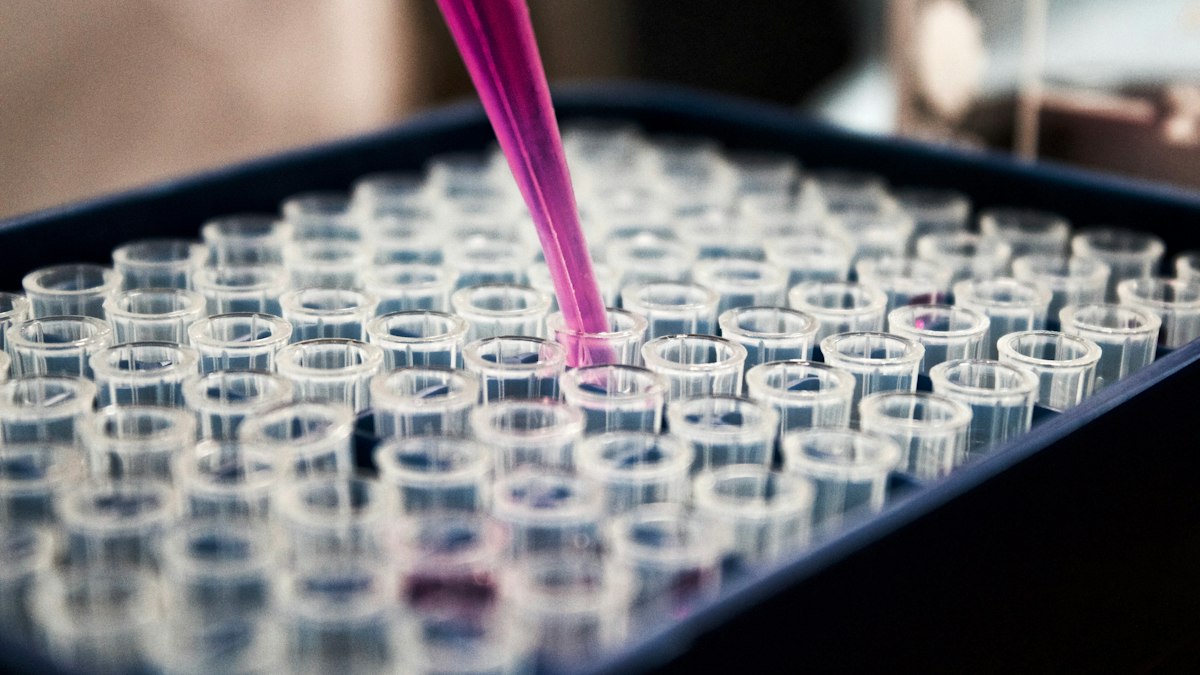
The medical revolution promised by CRISPR-Cas9 genome editing has transitioned from early ex-vivo hematological proof-of-concept trials into systemic in-vivo clinical reality. Following the landmark global regulatory approvals of gene-edited cellular therapies for sickle cell disease and transfusion-dependent beta-thalassemia, biotechnology researchers have overcome targeted delivery barriers to bring one-time curative therapies to five devastating hereditary disorders.
Utilizing lipid nanoparticle (LNP) delivery vectors and ultra-precise “base editing” and “prime editing” enzymes, clinicians can now repair genetic code inside living patients without cutting double-stranded DNA.
1. The Transition to In-Vivo Base and Prime Editing
First-generation CRISPR therapies acted like molecular scalpels, cutting both strands of the DNA double helix to disable genes through natural non-homologous end joining. While effective for knocking out inhibitory genetic switches, double-strand breaks carried small risks of chromosomal rearrangements and off-target insertions.
The 2026 clinical landscape is defined by base editors that chemically convert one nucleotide letter into another (such as changing an abnormal A-T base pair into a normal G-C) without cleaving the DNA backbone. Prime editing functions like a word processor search-and-replace tool, writing corrected genetic sequences directly into targeted genomic sites.
2. Five Rare Diseases Facing Clinical Genetic Solutions
Systemic gene editing trials have delivered remarkable clinical efficacy across five monogenic conditions:
- Transthyretin (ATTR) Amyloidosis: A single intravenous LNP infusion targeting liver hepatocytes permanently shuts down production of misfolded toxic amyloid proteins, halting nerve and heart damage.
- Heterozygous Familial Hypercholesterolemia (HeFH): In-vivo editing permanently knocks out the PCSK9 gene, reducing circulating LDL “bad” cholesterol by 65% for a patient’s entire lifetime.
- Duchenne Muscular Dystrophy (DMD): Micro-dystrophin exon-skipping base editors restore functional muscle protein production in pediatric patients, halting progressive muscular degradation.
- Hereditary Angioedema (HAE): Targeted disruption of the plasma prekallikrein gene completely eliminates life-threatening inflammatory swelling attacks.
- Alpha-1 Antitrypsin Deficiency: Base editors correct the Z-mutation in liver cells, restoring normal lung-protective protease inhibitor secretions.
This biotechnology acceleration parallels advancements in preventive pharmacology, including oral GLP-1 medications transforming metabolic health.
3. Resolving Off-Target Editing Concerns
Regulatory clearance from the FDA and European Medicines Agency (EMA) was achieved following multi-year whole-genome sequencing audits. High-fidelity Cas nucleases paired with engineered guide RNAs demonstrated zero detectable off-target insertions across millions of sequenced cellular reads.
Lipid nanoparticles are chemically engineered to clear from the body within 48 hours of mRNA translation, ensuring the gene-editing machinery does not persist long-term in the patient’s cells.
4. Overcoming Economic Accessibility Barriers
While clinical efficacy is historic, upfront commercial prices—ranging from $1.5 million to $3 million per one-time treatment—pose severe reimbursement challenges for healthcare systems. In response, international health agencies and philanthropies have created outcome-based installment financing models.
Under these frameworks, insurers pay for the therapy over ten years only if the patient remains demonstrably free of disease symptoms, transforming therapeutic economics much like international agreements on sovereign debt and financing.
How should global society ensure that life-saving genomic cures are accessible to patients in developing nations rather than only wealthy private health systems? Share your thoughts below.